


A retro collectibles franchise business offers something most retail concepts can’t: a built-in audience, proven demand, and a product category that deepens in value over time. If you’re evaluating franchise opportunities in the current market, the retro collectibles franchise business model deserves a close look.
Why a Retro Collectibles Franchise Business Works in Today’s Market
Table of Contents
Nostalgia is a durable economic force. The items people grew up with hold emotional and financial value well into adulthood, and that demand doesn’t fade. A retro collectibles franchise business taps into generational collecting behavior across multiple cohorts simultaneously: Baby Boomers seeking vintage Americana, Gen X collectors hunting for toys and games from the 70s and 80s, Millennials buying back the action figures and consoles of their childhood, and younger buyers discovering retro culture through social media.
That multi-generational demand base is one of the most compelling arguments for the retro collectibles franchise business model. Unlike trend-driven retail, which can collapse as consumer tastes shift, the retro market grows steadily as new product categories enter their collectible window and existing categories deepen in value.
What the Retro Collectibles Franchise Business Model Includes
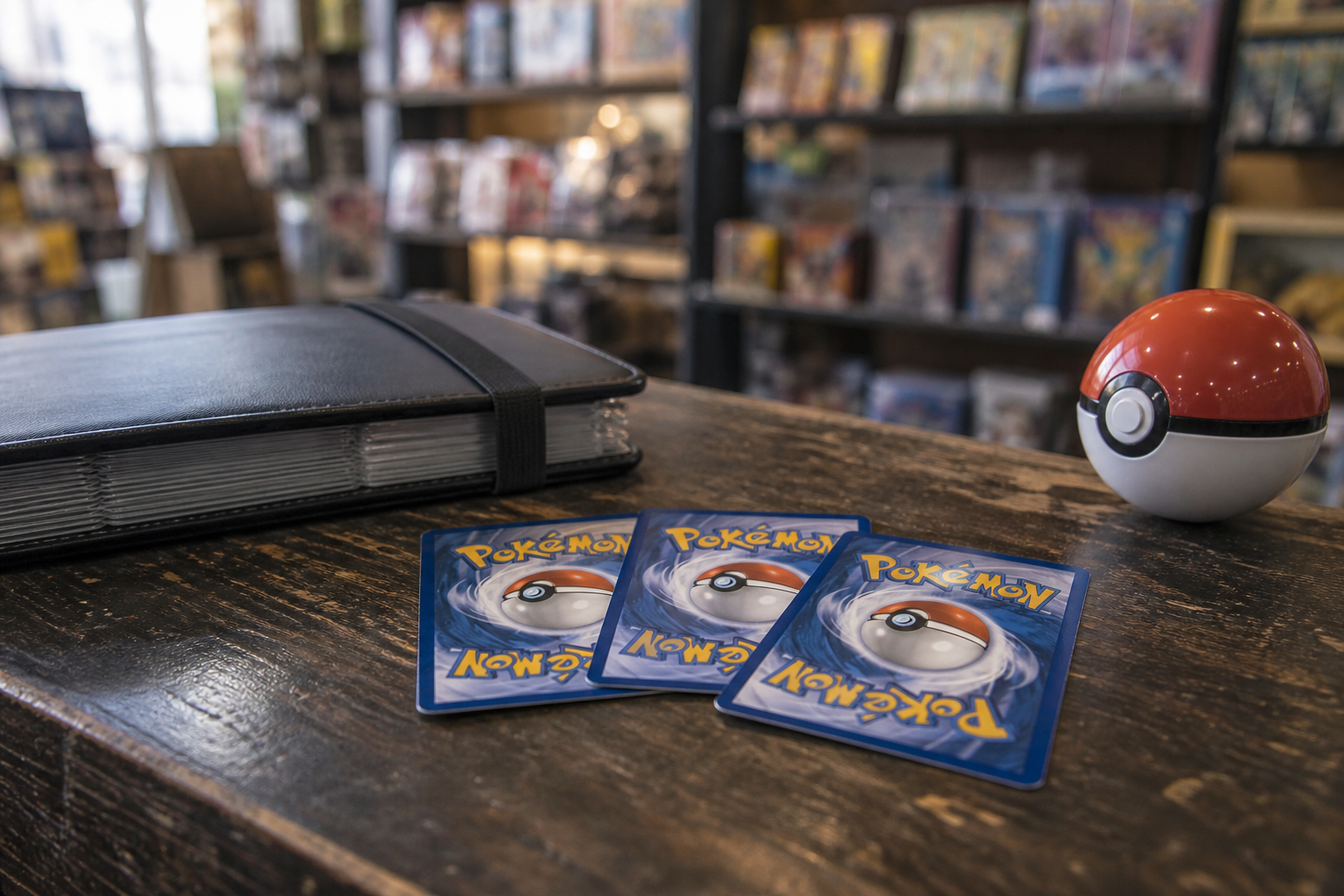
The Retro Wormhole operation is built around a broad product mix that drives consistent foot traffic. A single location carries vintage video games, vinyl records, action figures, trading cards, comic books, and a rotating selection of pop culture collectibles. That variety means a customer who comes in for one thing often leaves with several, and has reasons to return regularly.
Franchisees gain access to a developed operations system covering inventory management, pricing, trade-in protocols, and staff training. The franchise model is designed to be replicable in markets across the country, with the same core DNA that makes The Retro Wormhole’s Medford location work applied to new communities.
The Medford store already demonstrates how complementary categories strengthen each other. Customers who come in for retro video games often browse the vinyl records section, and vice versa. That cross-category behavior drives higher average transactions and deeper customer loyalty.
Overhead and Investment in a Retro Collectibles Franchise Business
One of the advantages of this type of retail franchise compared to other concepts is the relatively manageable startup footprint. You don’t need an enormous warehouse-style space to run an effective retro shop. A well-curated 1,500 to 2,500 square foot storefront can support a strong inventory and a great customer experience, which keeps buildout and lease costs reasonable.
Product acquisition also works differently than traditional retail. A significant portion of inventory comes through trade-ins from customers, which means franchisees can build and refresh stock without relying entirely on wholesale purchasing. This trade-in model is central to the retro collectibles franchise business structure and helps manage cash flow across the operation.
Low overhead, steady demand, and a flexible inventory acquisition model combine to make the retro collectibles franchise business an attractive option for entrepreneurs who want retail ownership without the capital intensity of higher-cost franchise categories.
Is the Retro Collectibles Franchise Business Right for You?
The right candidate for a retro collectibles franchise business is someone who connects with the product category, wants to build community around shared interests, and is ready to be genuinely present in their store. This isn’t a passive investment model. The franchise owners who do best are the ones who know their inventory, engage with their customers, and become a real part of the local collector community.
If that sounds like you, the next step is learning more about the full retro collectibles franchise structure and what the onboarding process looks like. The Retro Wormhole team is happy to answer questions about territory availability, investment levels, and what day-to-day ownership looks like in practice.
The retro collectibles franchise business opportunity is growing as the vintage market expands. If you’ve been looking for a retail concept with genuine staying power and a passionate built-in audience, this is worth a serious conversation.
Why Collectors Make Loyal Customers
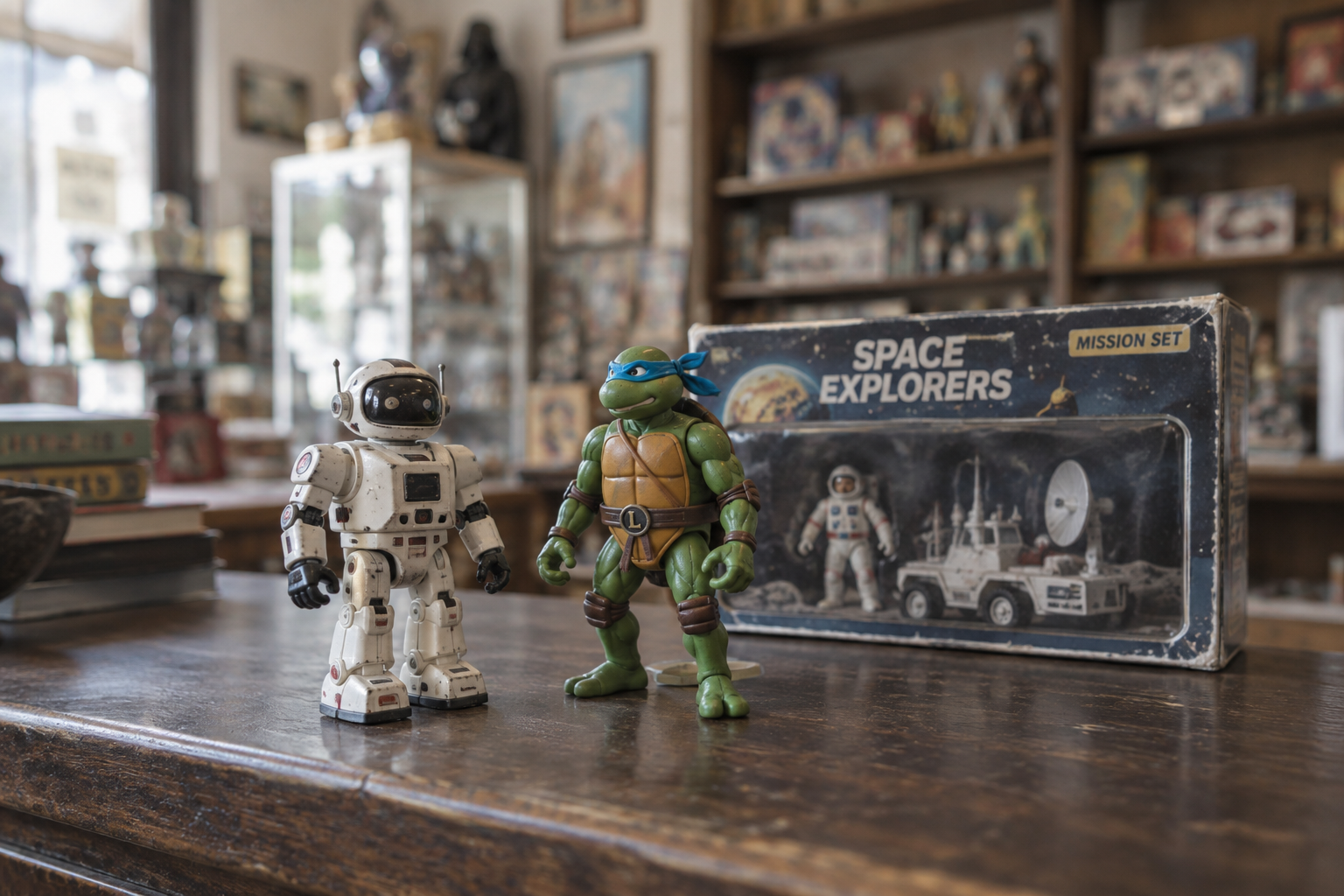
Collectors are not casual shoppers. They research, they seek out specific items, and they return again and again when they find a store they trust. Building a relationship with this kind of customer is one of the most valuable things a shop owner can do, and it happens naturally in a well-run collectibles store.
- Collectors visit frequently, not just once
- Word-of-mouth drives significant new traffic
- Enthusiast communities share finds and recommendations
- Trade-ins create recurring inventory at low cost
- Events and meetups build long-term loyalty

A great collectibles shop becomes a community hub. Regulars stop in just to chat, to show off a recent find, or to see what is new on the shelves. That kind of engagement is nearly impossible to create in a standard retail environment, and it keeps people coming back even when they are not planning to buy.

The inventory itself tells a story. Each item on the shelf has a history, and customers enjoy learning about that history. When you can speak knowledgeably about what you sell, it builds trust and turns a transaction into a conversation. That is something online marketplaces simply cannot offer.

If you are evaluating opportunities in specialty retail, the collectibles niche deserves serious consideration. The combination of passionate customers, community demand, and a proven operating model makes it one of the more compelling options available for a first-time or experienced franchise owner.
The International Franchise Association publishes annual data on franchise industry performance, economic impact, and growth trends across retail categories.